In the last few years, scientific research has reshaped our understanding of health. Longevity is no longer seen as the result of “good genes” alone—it is deeply shaped by how much muscle we maintain and how consistently we move. Studies now suggest that higher muscle mass predicts better cognitive function, independence, metabolic stability, and even sharper intelligence well into old age.
Among all forms of physical activity, resistance training stands out. It stimulates powerful biological changes that ripple across multiple systems—muscles, hormones, nerves, metabolism, and especially the brain.
Your Muscles Are Your Memory: How Exercise Rebuilds the Brain
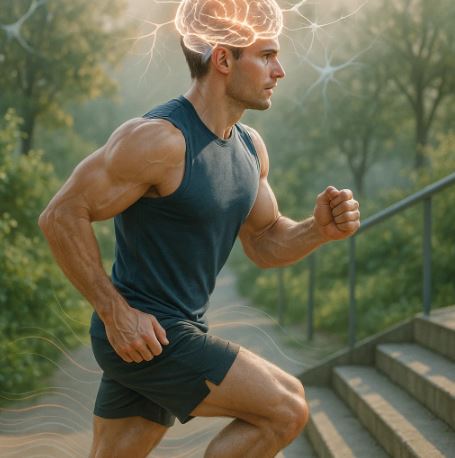
The brain and muscles share a deep, dynamic relationship. Modern neuroscience confirms that movement is not merely a physical act—it is a biochemical message delivered directly to the brain.
Strength training and aerobic exercise increase cerebral blood flow, delivering oxygen, nutrients, and key growth factors like BDNF (Brain-Derived Neurotrophic Factor). BDNF is often called “fertilizer for the brain” because it deepens neural connections, supports learning, and helps regenerate damaged pathways.
(To know more about BDNF click here)
In older adults, consistent workouts have been shown to:
- Increase hippocampal volume
- Improve global cognition
- Strengthen memory and problem-solving abilities
- Slow structural brain aging
This is why researchers now say:
Exercise is the only scientifically proven way to grow new brain cells at any age.
Leg Strength: The Hidden Predictor of Dementia Risk
Physicians and neurologists in Bangalore—and many global research centers—highlight a striking pattern:
People with weak legs or low lifetime physical activity show faster cognitive decline and earlier dementia onset.
Leg muscles are among the largest in the body. When they are strong and frequently used:
- They push more blood toward the brain
- They improve insulin sensitivity
- They boost the release of myokines—healing, anti-inflammatory molecules
A 2023–24 UK longitudinal study even found that leg strength was a stronger predictor of brain aging than genetic risk factors.
Strong legs = strong circulation = strong brain.
The Sugar Window: Why 1.45 Hours After Meals Is Gold
Blood glucose peaks approximately 2 hours after eating.
If you move at around 1 hour 30–45 minutes, you intercept this spike perfectly.
Just 15 minutes of walking, stair climbing, or simple bodyweight movements can:
- Flatten glucose spikes
- Improve insulin sensitivity
- Prevent fatigue and brain fog
- Lower long-term risk of diabetes and cardiovascular disease
This is one of the simplest, most powerful daily habits for metabolic health.
A Strong Nervous System Is Built, Not Born
Strength training does more than build visible muscle—it strengthens the electrical wiring of the body.When you lift, your nerves fire faster and more efficiently.
Over time, this process:
- Improves reaction time
- Reduces risk of falls
- Enhances coordination
- Rebuilds damaged motor pathways
- Supports neurogenesis (new neuron formation)
This is why strength training is being prescribed to older adults to preserve independence.
GABA: The Calmness Molecule That Exercise Activates
Regular workouts increase production of GABA (Gamma-Aminobutyric Acid)—a neurotransmitter responsible for calmness and deep sleep.
Higher GABA levels improve:
- Sleep quality
- Anxiety levels
- Emotional regulation
- Focus and stability
Even 20 minutes of exercise releases a wave of GABA, explaining why people feel mentally lighter after a workout.
Latest Findings (2023–2025): What New Science Is Saying
Here are more fascinating insights from recent research:
1. Combination Training Is Superior
Studies show mixed workouts (strength + cardio) outperform cardio-only routines for:
Blood sugar control
Blood pressure
Mood
Cognitive performance
2. Micro-Workouts Are as Good as Long Ones
Short, frequent bouts of activity throughout the day activate metabolic pathways better than one long workout.
3. Muscle Is a Metabolic Organ
From 2023–2024 research:
Muscles release myokines—healing molecules that reduce inflammation, protect organs, and support longevity.
4. Balance Training Improves Memory
New studies show that balancing exercises (one-leg stands, yoga tree pose) activate memory centers in the brain.
5. Resistance Training Helps Hormones
Lifting weights boosts testosterone, growth hormone, DHEA, and progesterone stability—even in women over 50.
6. Exercise Reduces Biological Age
2024 epigenetic studies reveal consistent exercise can reverse biological age markers by 3–5 years.
Conclusion: Move With Purpose, Age With Grace
Every workout is more than a physical act—it is an investment in your future brain, mood, and longevity.Whether you lift weights, climb stairs after meals, walk mindfully, or simply stretch between tasks, your body listens.Lett your curiosity lead you. Approach fitness not as pressure, but as a joyful exploration of what your body can become.
With every rep, you’re building a sharper mind, a calmer heart, and a longer, healthier life.