Introduction
Recently I learnt information,a woman in her late 40s once bent to pick a spoon from the floor—only to feel her thigh bone snap. No accident, no fall. Just weakened bones silently eroded by osteoporosis. This real-life example reminds us how bone health isn’t about age alone—it’s about action.
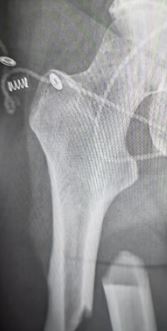
If you think lifting weights is only for building muscles, think again. Your bones respond to physical stress too—and without that stimulus, they weaken quietly over time. Let’s understand how bones grow stronger, what role minerals and hormones play, and what you can do today to protect yourself.
1. How Weight Training Strengthens Bones
You might wonder: weight training targets muscles—so how does it affect bones?
Here’s the science.
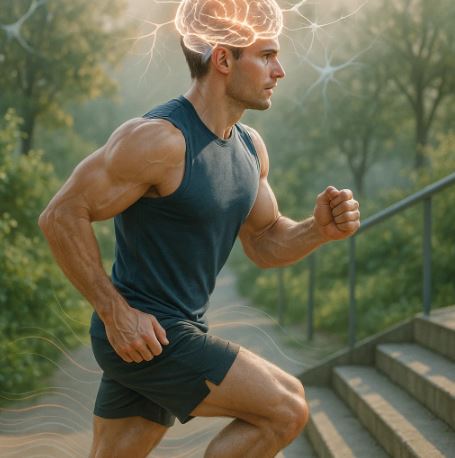
When you lift weights, your muscles pull against your bones through tendons. This mechanical stress sends signals to bone-forming cells called osteoblasts to lay down new bone tissue.
In simple words, your bones interpret lifting as “pressure = need to grow stronger.”
Over time:
- Bone density increases, especially in hips, spine, and wrists (common fracture sites).
- Microdamage repair improves through bone remodeling.
- Balance and coordination get better—reducing fall risk.
Research shows: Regular resistance training can increase bone density by up to 3–5% in a year, especially in postmenopausal women.
Tip: Focus on compound moves like squats, lunges, push-ups, and deadlifts. These stimulate multiple bone areas at once.
2. How Calcium Absorption Works
Calcium is vital—but bones are not made of calcium alone. They’re a living tissue matrix made of minerals, collagen, and water.
Here’s how absorption works:
- Vitamin D helps your intestine absorb calcium from food.
- The body keeps blood calcium levels stable. If blood calcium drops, bones release some—hence poor intake = bone loss.
- Magnesium and vitamin K2 help calcium reach bones instead of soft tissues
Bone Composition (Approximate Percentage by Weight)
| Component | Percentage | Function |
|---|---|---|
| Calcium phosphate (as hydroxyapatite) | 60–65% | Provides hardness and structure |
| Collagen (protein matrix) | 25–30% | Gives flexibility and tensile strength |
| Water | 10–15% | Maintains elasticity |
| Other minerals (magnesium, sodium, potassium, zinc, copper, manganese, fluoride) | 2–5% | Support bone metabolism and repair |
Without magnesium, vitamin D can’t work effectively—and without vitamin K2, calcium can misplace itself in arteries instead of bones.
3. Symptoms of Bone Loss and Hormonal Effect
Bone loss is silent—often showing no signs until a fracture occurs. But early symptoms may include:
- Receding gums (jawbone loss)
- Weakened grip strength
- Back pain or height reduction
- Brittle nails or easy fractures
Hormones that Influence Bone Health
| Hormone | Effect on Bones |
|---|---|
| Estrogen | Protects bones by slowing down bone resorption (loss). Its drop after menopause is a major trigger for osteoporosis in women. |
| Testosterone | Helps build and maintain bone density in men. Low levels increase fracture risk. |
| Parathyroid hormone (PTH) | Regulates calcium by controlling how much is released from bones. |
| Cortisol (stress hormone) | Chronic high levels break down bone tissue. |
| Thyroid hormones | Excess levels can accelerate bone loss. |
4. What Can Be Done Once Osteoporosis Is Diagnosed
A diagnosis isn’t the end—it’s the beginning of management and rebuilding.
Medical Support
- Bisphosphonates: Slow bone breakdown (e.g., alendronate).
- Hormone replacement therapy (HRT): For postmenopausal women, under medical supervision.
- Calcium + Vitamin D supplements: To restore deficiency.
- Bone-building drugs: Like teriparatide (in severe cases).
Lifestyle & Exercise
- Begin supervised weight training (start light).
- Practice balance and posture training like yoga or tai chi.
- Quit smoking and limit alcohol.
5. How to Prevent Osteoporosis
- Start weight training early – even 10–15 minutes a day helps.
- Get sunlight for natural vitamin D.
- Eat a mineral-rich diet (see below).
- Reduce caffeine and cola intake – both leach calcium.
- Maintain gut health – healthy microbiome improves mineral absorption.
6. Diet for Strong Bones (For Men & Women)
| Nutrient | Sources | Role |
|---|---|---|
| Calcium | Ragi, sesame, milk, tofu, sardines, amaranth | Strengthens bone matrix |
| Vitamin D | Sunlight, egg yolk, fortified foods | Boosts calcium absorption |
| Magnesium | Pumpkin seeds, spinach, dark chocolate | Helps vitamin D function |
| Vitamin K2 | Fermented foods (natto, curd), cheese | Sends calcium to bones |
| Zinc | Lentils, chickpeas, nuts | Supports bone formation |
| Phosphorus | Fish, dairy, beans | Works with calcium for bone structure |
| Boron | Apples, almonds, dates | Aids estrogen and bone metabolism |
| Protein | Paneer, eggs, legumes | Builds collagen matrix |
Women need around 1,200 mg calcium per day after 40; men around 1,000 mg until 70, then the same.
Final Thoughts
Bones are not lifeless structures—they are active, dynamic tissues that listen to how you live.
Every squat, every stretch, every nutrient you give your body tells your bones, “Stay strong, I still need you.”
Even if osteoporosis runs in your family, your daily habits can rewrite your future. Start today—lift, nourish, and protect the frame that carries you.