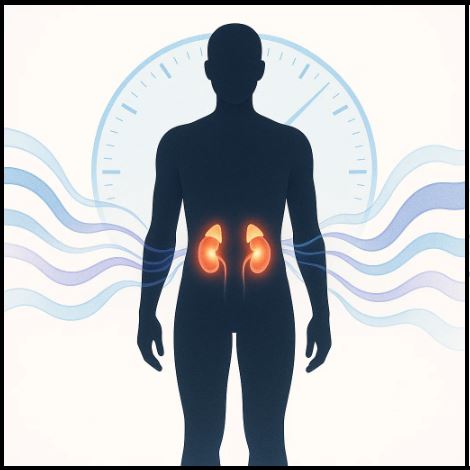
Alkaloids like solanine and capsaicin are known to interact with neurochemical pathways that can affect vascular tone and neural signaling — mechanisms often associated with migraine initiation. Scientific studies show that chemical mediators such as nitric oxide and related signaling pathways play a key role in migraine pathogenesis.
A lot of people think migraines come from stress, hormones, or “weak nerves.” That’s usually where the conversation stops. But what rarely gets discussed is how certain food compounds can directly interfere with the nervous system — even when the food itself is considered healthy.
Take alkaloids.
What are alkaloids ?
They’re natural chemicals found in many plants — things like coffee, certain spices, some vegetables, even herbs people use daily.
Their job in plants is simple: defense. In the human body, especially in sensitive nervous systems, they don’t always land smoothly.
How Alkaloids May Trigger Migraines
What’s interesting is how the reaction shows up.
>It’s not always pain right away.
> Sometimes it’s a migraine that doesn’t respond like usual.
> Sometimes it’s heart rate changes after eating, nausea, pressure in the head,
or that familiar sense that the body is “out of sync.”
>Tests come back normal, so the connection never gets made.
Vagus Nerve: A Key Mediator
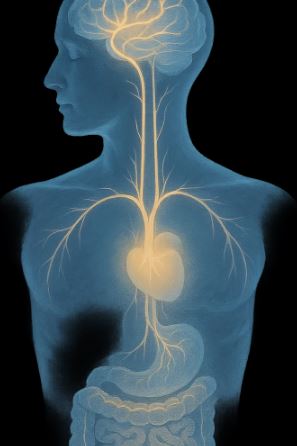
This is where the vagus nerve often enters the picture.
It sits right at the intersection of gut, heart, and brain. If something repeatedly irritates that pathway, symptoms can look random when they’re not. Food becomes the trigger, but the nervous system is where the response actually plays out.
None of this means alkaloids are bad or that everyone needs to avoid them. It just means that for some people, the nervous system reacts first — long before anything looks abnormal on paper.
Food Sources High in Alkaloids
If you look closer, a few alkaloids show up again and again in daily complaints.
Solanine is one of the common ones. It’s found in nightshades like potatoes, tomatoes, and eggplant — especially when potatoes are green, sprouting, or stored badly. For some people, exposure doesn’t cause stomach pain but shows up as migraines, fogginess, odd fatigue, or a flare of nerve-related symptoms a few hours later.
Capsaicin, the compound that makes chili hot, is another. Many people tolerate it well, but in sensitive systems it can overstimulate nerve endings and affect heart rate, gut movement, or head pressure.
What’s confusing is that the reaction doesn’t always happen immediately. Sometimes it shows up later in the day, which is why the food link gets missed.
Symptoms & Patterns to Watch
The tricky part is spotting it. The clue is not the food itself but the pattern. Symptoms repeat after specific meals. Spicy days feel different from non-spicy days. Certain vegetables trigger the same response every time, even in small amounts. Once you stop asking “Is this food healthy?” and start asking “What does my body do after this?”, the picture becomes clearer.
This isn’t about cutting everything out. It’s about noticing consistency. When the same symptom keeps following the same inputs, that’s data — not imagination. And for people dealing with migraines or vagal instability, that kind of observation often explains more than another normal test ever will
Reference:
https://pmc.ncbi.nlm.nih.gov/articles/PMC12086632/?utm_source=chatgpt.com
Vagus Nerve Headache: How Stimulating the Vagus Nerve May Help Relieve Migraine Pain