Night-time awakenings are common, but when they occur suddenly—with a jerk, a racing heart, or an anxious alertness—they often indicate a physiological trigger, not a psychological one. One of the most overlooked causes is nocturnal adrenaline release, usually driven by falling blood glucose. Understanding how adrenaline works, how glucose behaves at night, and how the nervous system becomes hypervigilant can help individuals regain stable sleep and prevent long-term dysregulation.
1. Why You Suddenly Wake Up at Night
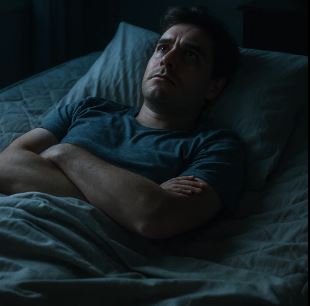
A sudden awakening in the middle of the night is typically caused by a sympathetic surge—a rapid activation of the “fight or flight” branch of the autonomic nervous system.
Common features include:
- abrupt waking
- feeling startled or hyper-alert
- internal “jolt” or jerk
- pounding heart
- warm flush or cold sweat
- anxious or uneasy feeling
- difficulty falling back asleep
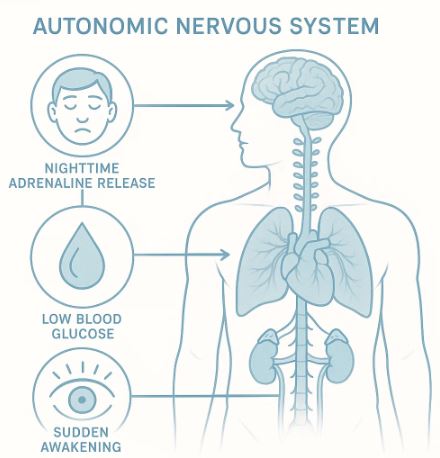
This response is often triggered by falling blood glucose, which pushes the body into a state of perceived threat, leading to a compensatory adrenaline release.
2. What Adrenaline Is and How It Normally Functions
Adrenaline (epinephrine) is a catecholamine released by the adrenal medulla. It is a fast-acting stress hormone with critical survival functions.
Day Mechanism
- increases heart rate and blood pressure
- sharpens focus and reaction time
- mobilizes glucose for quick energy
- supports physical activity and alertness
Night Mechanism
At night, adrenaline ideally remains low.
Cortisol, melatonin, and parasympathetic activity take over to support sleep, tissue repair, and metabolic balance.
When adrenaline becomes active at night, normal sleep architecture is disrupted.
3. How and Why Blood Glucose Drops at Night
During sleep, the body relies primarily on stored glucose. Glucose can fall excessively in conditions such as:
- long gaps between meals
- high-carbohydrate dinners followed by a sharp insulin drop
- stress that increases glucose utilization
- inadequate protein or fat intake
- overly long fasting periods
- high metabolic sensitivity (common in migraines, anxiety-prone individuals, or autonomic imbalance)
When glucose dips below the brain’s comfort threshold, the body interprets it as danger, triggering an adrenaline spike to raise glucose rapidly.
4. Symptoms That Suggest Night-Time Glucose Drops
Signs of nocturnal hypoglycemia include:
At night:
- sudden awakening with a jerk
- sense of internal alarm
- sweating or chills
- rapid heartbeat
- feeling wide awake despite fatigue
- anxiety or restlessness
Next morning:
- morning irritability
- feeling “hungover” without alcohol
- headache
- intense hunger
- low mood
- difficulty concentrating
These symptoms indicate the body compensated for low glucose by repeatedly releasing adrenaline.
5. Why Adrenaline Does Not Fully Shut Down — And What Happens If It Continues
If the nervous system faces repeated glucose dips or stress signals, adrenaline may stay partially activated, even during times when it should rest.
Reasons it stays active:
- frequent night-time hypoglycemia
- chronic stress
- heightened sympathetic tone
- irregular sleep patterns
- autonomic dysregulation
- hyper-sensitive stress receptors
Long-term consequences:
If repeated nightly adrenaline surges persist, the system may adapt in maladaptive ways:
- persistent light sleep
- chronic hypervigilance
- increased heart-rate variability
- morning exhaustion
- reduced stress tolerance
- mood instability
- disrupted glucose regulation
- eventual blunting or sluggishness of the stress response
This does not indicate gland damage, but neurological recalibration, where receptors remain either too sensitive or eventually become less responsive.
6. Maintaining a Hypervigilant System in a Healthy Way
A high-alert system is not harmful by nature; it simply requires structured regulation. The goal is not to suppress adrenaline but to retrain the body’s on–off switch.
Recommended strategies:
A. Stabilize blood glucose
- eat a protein + fat snack 1–2 hours before sleep
- avoid high-sugar dinners
- maintain regular meal timings
- avoid long fasting if mood drops
B. Support parasympathetic tone
- slow breathing (pranayama)
- gentle evening stretching
- magnesium-rich foods or supplements (if tolerated)
- consistent sleep schedule
C. Reduce night-time triggers
- limit screen stimulation before bed
- avoid intense exercise late evening
- create a cool, dark sleep environment
D. Train the nervous system
- morning sun exposure
- moderate daily movement
- structured stress management
With steady lifestyle support, the sympathetic system naturally regains balance and stops firing unnecessarily at night.