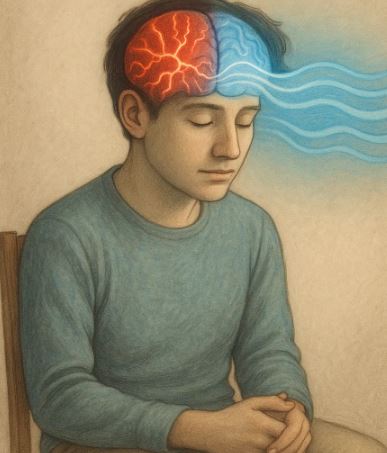
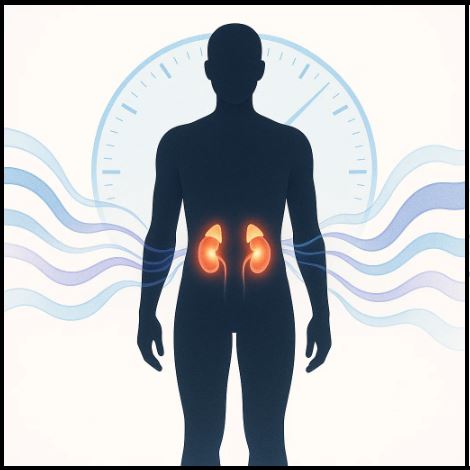
Most people think histamine only causes cold allergies or sneezing, but in reality, it is one of the most powerful chemicals in your body. It affects your immunity, digestion, mood, hormones, sleep, motivation and even mental sharpness. For people with sensitive systems, histamine becomes the silent troublemaker behind unexplained symptoms like migraines, sinus congestion, OCD-like thoughts, itching, acid reflux, and early-morning anxiety.
Understanding histamine is the first step toward managing it.
What Is Histamine?
1. What Is Histamine?
Histamine is a chemical messenger that your body naturally produces. It acts like an internal alarm system, sending signals for alertness, digestion and immune defence. In normal amounts, it is essential. But when your body makes too much—or cannot break it down properly—it turns into a constant source of inflammation.
2. How Histamine Is Stored & Why the Body Needs It
Most histamine lives inside mast cells found in your skin, gut, lungs, sinuses and the nervous system. Smaller amounts are stored in basophils and certain brain regions. The body uses histamine for:
- Immune defense
- Wound healing
- Stomach acid release
- Brain alertness
- Daytime wakefulness
The problem begins when mast cells release histamine too easily or too frequently.
3. How the Immune System Uses Histamine
Whenever your immune system senses a threat—dust, virus, smoke, allergens—it releases histamine as a protective reaction. This creates the classic allergy symptoms: sneezing, itching, watering eyes and congestion.
For some people, the immune system becomes hyper-reactive, releasing histamine even when the trigger is harmless. That is when chronic allergies, hives and sinus issues start.
4. How Small Everyday Things Can Increase Histamine
Histamine is not just influenced by allergens. Even normal daily activities can raise it.
Common triggers include:
- Dehydration
- Poor sleep
- Sudden temperature changes
- Psychological stress
- Certain foods
- Hormonal fluctuations
When these triggers accumulate, histamine begins to overflow, affecting every system.
4.1 Disorders and Symptoms Linked to High Histamine
High histamine often appears as a cluster of issues:
- Allergies and asthma
- Migraines
- Acid reflux and IBS
- Anxiety or intrusive thoughts
- Itchy skin or scalp
- Morning headaches
- Sensitivity to leftover or fermented food
- Sleep disturbances
Histamine dominance explains many “mysterious” symptoms that never show up in lab reports.
5. Why Histamine Peaks in the Morning
Histamine follows a natural circadian rhythm. It stays low during the night but spikes early in the morning to wake the brain. For histamine-sensitive people, this morning peak becomes excessive, causing symptoms such as sneezing, anxiety, headache or a blocked nose right after waking up.
6. Other Reasons Why Histamine Rises
Histamine can rise for many reasons beyond allergies. Dehydration pushes the body into stress mode, which triggers mast cells. Hormonal imbalance—especially high estrogen—dramatically increases histamine. Poor gut health, nutrient deficiencies (B6, Vitamin C, magnesium) and exposure to pollution also play a role. Even normal activities like heavy exercise or caffeine consumption can momentarily increase histamine.
7. Histamine + Cortisol: A Stressful Combination
Histamine and cortisol work like partners. When you are stressed, cortisol rises, and this stimulates mast cells to release more histamine. Histamine then increases inflammation, which raises cortisol further. This creates a loop where the body stays inflamed, anxious and overstimulated.
Common signs of this loop include:
- Feeling “on edge”
- Sudden heart racing
- Irritability
- Noise sensitivity
- Restlessness
- Worsening allergies during stress
This is why people with high histamine often feel overwhelmed by even small stressors.
8. How to Know If Your Histamine Levels Are High
Histamine intolerance is not diagnosed by a single test. Instead, it reveals itself through patterns.
Typical signs include:
- Frequent sneezing or congestion
- Headaches or migraines
- Stomach sensitivity
- Feeling hot or flushed
- Itchy skin
- Anxiety, panic or OCD-like thoughts
- Worsening symptoms with fermented foods or leftovers
If several of these appear together, histamine intolerance is very likely.
9. Are Antihistamines Good or Bad?
Antihistamines offer fast relief and are extremely effective during flare-ups. They help with allergies, skin irritation and sinus inflammation. However, long-term daily use may dry out the body, reduce natural tolerance and mask underlying issues like gut imbalance.
Using them occasionally is safe; depending on them every day should be a deliberate medical decision.
10. Natural Antihistamines
The body has powerful ways to regulate histamine naturally. The most effective include:
- Vitamin C to lower histamine levels
- Quercetin to stabilize mast cells
- Vitamin B6 to support histamine breakdown
- Magnesium to relax nerves and reduce headaches
- Tulsi, chamomile or nettle tea
- Fresh fruits like apple, pear, melon
Hydration—simple water—is one of the easiest natural antihistamines.
11. How to Confirm If Histamine Is High in Your Body
You can identify histamine intolerance through:
A. Body Clues
Symptoms that come and go without reason, especially involving skin, sinuses, digestion and mood.
B. Food Reaction Patterns
Symptoms worsening after:
- Fermented foods
- Vinegar
- Pickles
- Alcohol
- Leftovers
C. Improvement Signals
If symptoms improve after antihistamines, Vitamin C or drinking water, it strongly suggests high histamine