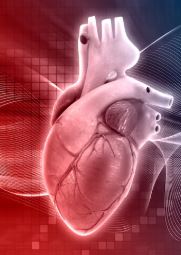
Most people think heart attacks happen because of plaque buildup in the arteries. But in reality, it’s not the plaque itself that kills — it’s the rupture.
When arterial plaque cracks or ruptures, the body sees it as an injury and sends blood to “seal” the damage. This forms a clot (thrombus) that can suddenly block blood flow to the heart. That blockage, not the plaque alone, causes the heart attack.
Now the real question isn’t “How do I reduce plaque?” — it’s “How do I stop inflammation that weakens artery walls?”
Inflammation: The Hidden Trigger Behind Plaque Rupture
Chronic inflammation is what turns ordinary cholesterol into dangerous plaque. It makes the arterial wall unstable, setting the stage for rupture.
What fuels inflammation?
- High insulin levels (from constant snacking or sugar intake)
- Pre-diabetes or insulin resistance
- High stress, poor sleep, and processed foods
- Lack of exercise
One of the biggest hidden drivers of heart disease is pre-diabetes — a condition where your body produces excess insulin to manage rising blood sugar. Over time, this high insulin causes inflammation, arterial damage, and fat accumulation around organs.
Early Signs of Prediabetes You Shouldn’t Ignore
Prediabetes often develops silently, but your body gives subtle warnings:
- Constant fatigue or brain fog after meals
- Sugar cravings or frequent hunger
- Belly fat that won’t go away
- Increased thirst or urination at night
- Dark patches on neck or armpits (acanthosis nigricans)
- Sleepiness after eating carbs
If you suspect it, get tested for:
- Fasting glucose: 100–125 mg/dL
- HbA1c: 5.7–6.4%
- Fasting insulin: ideally below 10 µIU/mL
These numbers can help you spot insulin resistance early — while it’s still reversible.

Fasting: The Most Natural Way to Reduce Inflammation
One of the simplest and most effective ways to lower insulin and inflammation is intermittent fasting.
When you fast:
- Insulin levels drop
- The body shifts to fat-burning mode
- Inflammatory markers begin to fall after 12 hours
- Damaged cells start self-repairing through autophagy
Even a 12–14 hour fast daily (for example, 8 pm to 10 am) can reduce inflammation, support heart health, and reverse early insulin resistance.
Lifestyle Changes That Reverse Prediabetes and Protect the Heart
- Adopt time-restricted eating (14:10 or 16:8)
Let your insulin rest daily. - Focus on real food
Choose protein, fiber, and healthy fats over refined carbs. - Stay active
Brisk walking and strength training improve insulin sensitivity. - Manage stress
Chronic stress spikes cortisol, worsening inflammation. - Prioritize sleep
Even one night of poor sleep can raise insulin and cravings.
The Takeaway
Heart attacks don’t begin in the heart — they begin in the metabolism.
Inflammation caused by high insulin and unstable plaque rupture is the real danger.
By managing insulin levels through fasting, mindful eating, and active living, you can reverse prediabetes naturally and reduce your risk of heart attack without medication.