When people talk about longevity, the conversation usually circles around a few familiar names — telomere length, retirement age, and the play of genetics. These are the stars of the show, the visible threads we believe determine how long we live. But beneath this surface runs a deeper current — subtler, quieter forces that decide whether we simply exist long, or live long and well.
Science is now uncovering a set of hidden factors that influence how gracefully our bodies and minds travel through time. They operate not in isolation, but in quiet harmony — shaping our metabolism, immunity, mood, and resilience.
Let’s look at five such under-acknowledged determinants of longevity.
1. Mitochondrial Efficiency — The Fire Within
Your cells are powered by millions of tiny engines called mitochondria. Their performance determines how efficiently energy is produced and how much waste (oxidative stress) leaks into your system.
When these engines burn clean, you stay vital, sharp, and resilient. When they falter, the body ages from the inside out — fatigue deepens, organs weaken, and diseases set in.
Mitochondrial quality is influenced by your mother’s genetic line, but also by how you eat, breathe, and rest. (We’ll explore this in detail in the next article.)
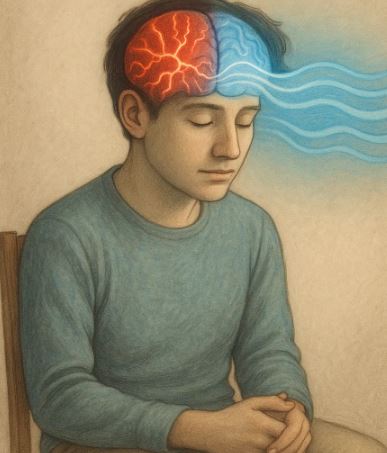
2. Epigenetic Balance — The Music of Your Genes
Your genes are like instruments; epigenetics decides which ones play.
This regulation shifts throughout life depending on your environment, diet, and emotions. Chronic stress, poor sleep, and processed food can silence healing genes and activate inflammatory ones.
Conversely, natural light exposure, calm states of mind, and nutrient-rich foods keep your genetic music in rhythm. You’re not only born with your genes — you conduct them daily.
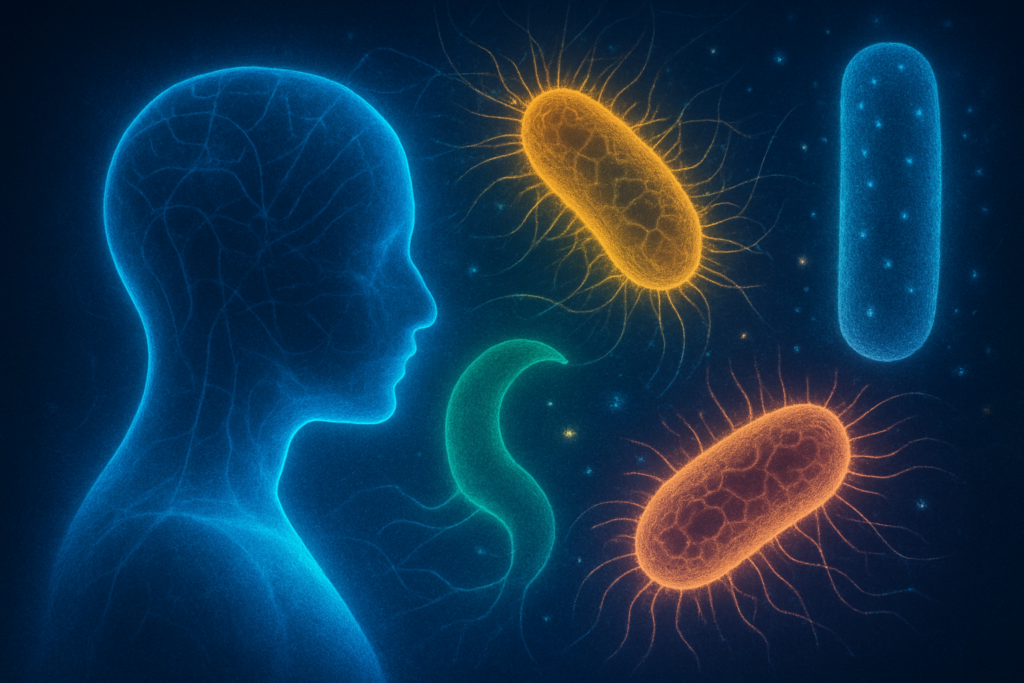
3. Microbiome Diversity — The Secret Organ
Hidden in your gut is an ecosystem that trains your immune system, balances your hormones, and even affects your mood. The more diverse your gut microbes, the stronger your body’s internal defense and the slower your aging process.
People in long-lived cultures eat fiber-rich, plant-based diets — not because of fashion, but because those foods feed a thriving microbial world that, in return, protects them.
4. Emotional Regulation and Social Resonance
Longevity is not merely a biological game — it is emotional architecture.
People who cultivate emotional steadiness, forgiveness, and meaningful social ties have lower levels of inflammation and cortisol. In the world’s Blue Zones, community, laughter, and belonging are as important as nutrition.
Isolation, on the other hand, accelerates biological aging more than obesity or smoking. The heart’s peace literally slows the clock.
5. Circadian Rhythm and Sleep Integrity
Your body runs on an ancient clock — the circadian rhythm.
When you sleep at consistent hours, get morning sunlight, and eat in rhythm with daylight, your hormones and repair systems align perfectly.
Disrupted sleep, late-night screens, and irregular eating, however, confuse this clock — leading to cellular chaos and metabolic breakdown.
Longevity thrives in rhythm; aging accelerates in disarray.
In Essence
Longevity is not just in your DNA — it’s in your daily rhythm, emotional balance, microbial diversity, cellular fire, and inner peace.
The quiet forces that decide how long we live are not hidden from view — they are simply hidden in plain sight, waiting to be honored through conscious living.
Next in this series:
“The Mitochondrial Miracle — How Cellular Fire Determines the Length and Quality of Life.”
In it, we’ll explore how your mitochondria act as the true guardians of youth — and how to keep them vibrant through simple, science-backed habits.