The Hidden Damage Everyday Chemicals Cause to Your Microbiome
For years, conversations around health have focused on calories, macros, stress, and sleep.
But a new study from the University of Cambridge has introduced a different villain into the discussion — the everyday chemicals we touch, breathe, and consume without thinking.
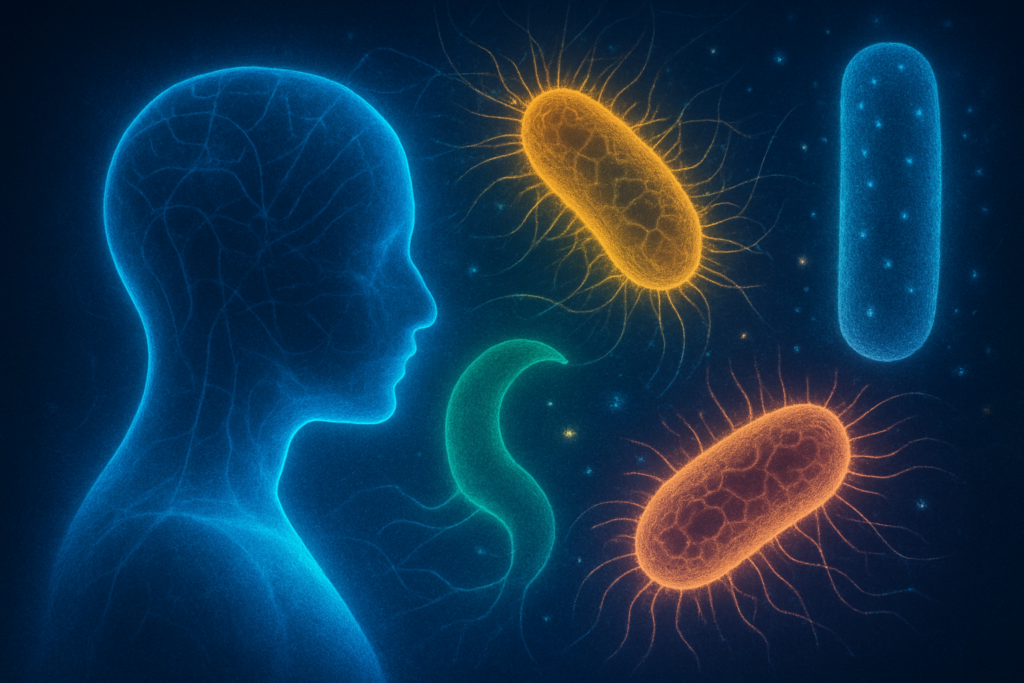
Scientists have long known that chemicals can harm humans. But the study reveals something far more unsettling: many everyday chemicals may be harming the trillions of bacteria living inside us — the very microbes that keep us alive, calm, nourished and mentally balanced.
These chemicals aren’t exotic toxins. They’re the quiet, ordinary substances we meet in our food, water, homes, packaging, cosmetics, and even the air around us.
And here’s the startling part:
These chemicals were never tested for their impact on gut bacteria — only on human cells.
This means millions of people may already be exposed to substances capable of altering their microbial ecosystem without anyone realizing it.
What the Study Found: Hidden Damage From Everyday Chemicals
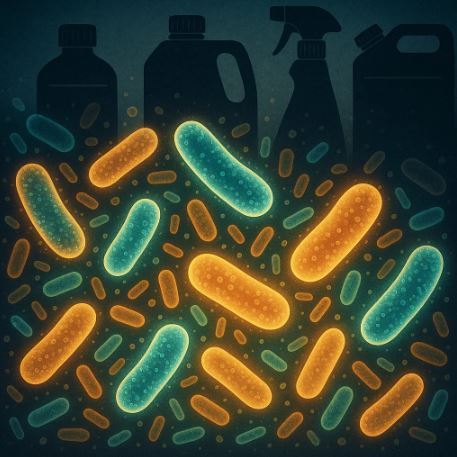
Scientists tested 1,076 chemicals— including pesticides, flame retardants, industrial compounds, and plastic additives — on 22 common gut bacterial species.
The results were troubling:
- 168 chemicals significantly inhibited the growth of beneficial gut bacteria.
- Some chemicals also triggered antibiotic-resistance traits in surviving microbes.
- Many of these chemicals are present in household dust, water, packaging, food residues, and everyday consumer products.
This wasn’t fringe toxicity. The chemicals affected bacteria that play core roles in:
- Digesting food
- Maintaining the gut lining
- Regulating inflammation
- Producing neurotransmitters like serotonin
- Supporting immunity
In other words, the chemicals didn’t need to poison our cells — disturbing the microbiome is enough to trigger a cascade of health effects.
Why This Matters: The Gut Isn’t Just an Organ — It’s a World
Your gut microbiome is a vast ecosystem of 100 trillion bacteria. They:
- break down food into usable nutrients
- produce vitamins like K and B12
- regulate your immune response
- help maintain blood sugar
- guard against infection
- communicate with your brain through the vagus nerve
- influence mood, anxiety, clarity, and resilience
The gut microbiome is linked with nearly every system in the body. Research now connects microbial imbalance (dysbiosis) with:
- Anxiety
- Depression
- IBS and bloating
- Autoimmune disorders
- Metabolic diseases
- Allergies
- Skin conditions
- Cognitive decline
To read more about Gut Bacteria click here
When beneficial bacteria are damaged, harmful species can take over, inflammation rises, and the body’s regulation systems go off balance.
This study suggests that chemical exposure might be an overlooked driver of dysbiosis — possibly explaining why gut-related disorders have skyrocketed worldwide in the last 30 years.
Damage Happens Before You Feel Anything
The researchers emphasize a crucial point: you can’t sense when your microbiome is being harmed. There is no sharp pain, no immediate symptom, no warning bell.
But over time:
- your digestion changes
- food sensitivities rise
- immunity weakens
- fatigue deepens
- inflammation increases
- mood becomes unstable
This is why the study matters so much.
By the time symptoms appear, the ecosystem may already be disrupted.
Antibiotic Resistance: The Most Alarming Insight
Some chemicals triggered microbial responses similar to what antibiotics do — but with one critical difference: they did not kill harmful bacteria, only weakened beneficial ones.
This creates a dangerous imbalance:
- “good” bacteria die or weaken
- “bad” bacteria adapt and become tougher
- immunity suffers
- infections become harder to treat
It is a slow reshaping of microbial evolution, happening inside our bodies without our knowledge.
How to Protect Your Gut From Chemical Exposure (Backed by Evidence)
You can reduce the impact of harmful chemicals through small, practical habits:
1. Wash fruits and vegetables thoroughly
Many contain pesticide residues that can affect gut bacteria.
2. Reduce plastic exposure
Avoid microwaving food in plastic. Use glass or steel whenever possible.
3. Choose cleaner household products
Especially floor cleaners, bathroom cleaners, and fragrances.
4. Avoid unnecessary pesticides at home
Opt for natural repellents where possible.
5. Support gut diversity through food
A diverse microbiome is more resilient. Include:
- Fermented foods
- Prebiotic fibers
- Colorful vegetables
- Polyphenol-rich foods (berries, cocoa, olives, herbs)
6. Avoid unnecessary antibiotics
Since chemicals may also promote antibiotic resistance in gut bacteria.
Small lifestyle changes can help shield your microbiome from hidden chemical threats.
The Bigger Picture
This study signals a major shift in how we think about environmental health.
It suggests that the rise of chronic gut issues may not be just about diet or lifestyle — but also chemical exposure slipping through everyday life unnoticed.
As science catches up, one thing is clear:
Protecting your gut means protecting your whole body.
And in the future, chemical regulations may finally include what should have been obvious all along — if something hurts your microbes, it can hurt you.