While speaking to an ER doctor recently, one thing struck me hard:
people often carry an epinephrine auto-injector… but hesitate to use it.
They feel they should “wait a bit,” “see if symptoms settle,” or “try an antihistamine first.”
But in emergency rooms, the story is often the same:
delayed epinephrine leads to severe anaphylaxis, dangerously low blood pressure, and sometimes irreversible complications.
That conversation stayed with me.
So here is a simple, human-friendly guide—clear, evidence-based, and written for anyone who wants to understand allergy and act quickly when it matters the most.
1. What Exactly Is an Allergy?
An allergy is your immune system reacting too strongly to something harmless—like food, dust, pollen, insect venom, or medication.
When your immune system sees this harmless substance (“allergen”) as a threat, it triggers:
-Histamine release
-Inflammation
-Itching, sneezing, redness, swelling
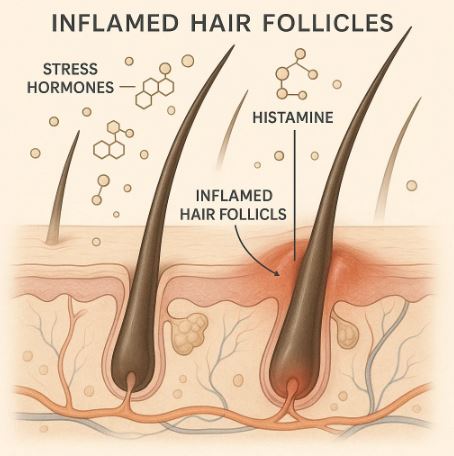
This is called mast cell activation—your mast cells “burst” open (degranulate), releasing hundreds of chemicals into the body.
Most allergies are mild.
But sometimes, instead of staying local (like only in nose or skin), this reaction becomes widespread.
That’s when the danger begins
2. What Is Anaphylaxis?
Anaphylaxis is a severe, whole-body allergic reaction that can be life-threatening.
It does not look the same for everyone.
But it spreads fast—sometimes within 2 minutes.
Common signs include:
-Sudden nausea, stomach cramps, vomiting
-Chest tightness, wheezing, difficulty breathing
-Dizziness or fainting (blood pressure dropping)
-Feeling of doom (“something bad will happen”)
-Full-body hives
This is not just “a big allergy.”
This is your body going into shock.
And nothing—NOT antihistamines, NOT cold water, NOT deep breaths—can stop anaphylaxis except epinephrine.
3. What Is Epinephrine and How Does It Work?
Epinephrine (adrenaline) is the first-line, life-saving treatment for anaphylaxis.
It works within seconds and does FOUR critical things:
1. Opens the Airways
It relaxes the muscles in the throat and lungs → making it easier to breathe.
2. Raises Blood Pressure
It tightens blood vessels → reversing the dangerous drop in BP seen in anaphylaxis.
3. Stops Mast Cell Degranulation
Epinephrine stabilizes mast cells and prevents further flooding of histamine and inflammatory chemicals.
No other medicine does this during an anaphylactic shock.
4. Buys You Life-Saving Minutes
It stops the reaction from spiraling.
This is why doctors say:
“If you need epinephrine, you need it early.”
4. Why Many People Wait Too Long — And Why It’s Dangerous
People delay epinephrine because:
- They are unsure: “Is this allergy or anaphylaxis?”
- They worry: “What if I take it unnecessarily?”
- They think antihistamines will fix it
- They fear the injection
- They hope symptoms will settle on their own
But anaphylaxis gets worse every minute without epinephrine.
By the time someone can’t breathe, or BP has crashed, epinephrine may still help—but late doses carry higher risk, slower recovery, and greater chance of hospitalization.
Doctors in ER tell one clear truth:
“The only wrong time to use epinephrine is too late.”
5. The Best Time to Take Epinephrine
Think of this as your rule:
✔ Use epinephrine at the FIRST SIGN of severe symptoms:
sudden nausea
abdominal pain “out of nowhere”
throat tightness
trouble breathing
-sudden dizziness
-facial swelling
-a feeling of doom
-Even if you are not sure—take it.
✔ If you have had anaphylaxis before:
Use epinephrine early even for milder symptoms.
✔ If the allergen is known (peanut, shellfish, insect sting, drug):
Do NOT wait.
Epinephrine within the first 5–10 minutes gives the best outcomes.
6.Why Antihistamines Are NOT Enough in Anaphylaxis
Antihistamines (like cetirizine or diphenhydramine):
- Work slowly (30–60 minutes)
- Only block histamine
- Do NOTHING for blood pressure
- Do NOTHING for airway swelling
- Cannot stop mast cells from releasing chemicals
- Cannot reverse shock
They help with itching and hives, not with life-threatening symptoms.
During anaphylaxis, the body is producing too many chemicals too fast, and antihistamines are too weak to help.
So remember:
Allergy = antihistamine is okay
Anaphylaxis = antihistamine is useless
7. When Do Steroids Come Into the Picture?
Steroids are not emergency medicines in anaphylaxis.They take 4–6 hours to work.
Their role is mainly:
-Prevent biphasic reaction (second wave of symptoms hours later)
-Reduce prolonged airway inflammation
-Support recovery in the hospital
-They are part of hospital management, not first aid.
Final Message: Don’t Be Afraid of Epinephrine — Be Afraid of Delaying It
If you or someone you love has severe allergies, carry your auto-injector and follow one simple rule:
“If you think you need epinephrine, you already do.”
It is safe.
It works fast.
And it saves lives every single day.