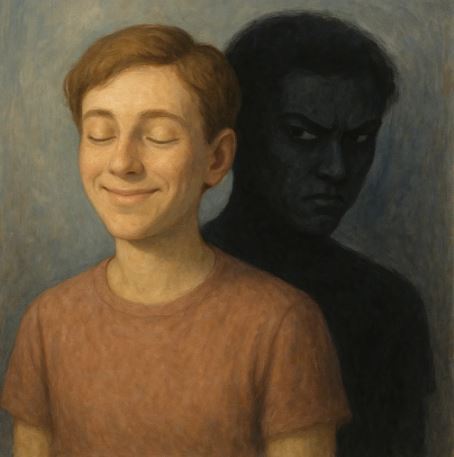
There are people who are jealous. Many times, we don’t even recognize them. They can be cousins, relatives, classmates—people who stay with us, around us—yet they wrap themselves in a sweet illusion. They slowly pull our closest people away, badmouth us behind our backs, and damage our reputation. Others trust them because they see us mingling together and cannot imagine any hidden malice. So how do we spot them?
Hidden jealousy is one of the most subtle psychological games played in relationships. It rarely shows up through loud insults or open hostility. Instead, it arrives quietly—wrapped in sweetness, disguised as concern, admiration, or friendship. Below are the strongest signs of covert jealousy, and how to recognize the cues that jealous people assume you will never notice.
1.“They Give Backhanded Compliments”
Jealous people struggle to express genuine appreciation because your success threatens their internal sense of worth. So even when they praise you, it comes wrapped with subtle negativity. This psychological tension creates backhanded compliments—sweet on the surface, sharp beneath. These lines reveal the mind of someone who wants to look supportive while quietly pulling you down.
Examples:
- “Wow, you look nice today.”
- “Your business is growing… must be luck.”
- “You write well, but you should not expect too much.”
Why it’s a sign:
Backhanded compliments allow them to act nice while still pulling you down.
2.“They Show Micro-Expressions of Disgust or Bitterness”
Body language often tells the truth that words try to hide. A jealous person may congratulate you verbally, but their involuntary facial reactions betray how they really feel. These micro-expressions appear in the split second before they regain control, revealing resentment, insecurity, or disappointment at your happiness. Their face speaks long before their voice does.
When something good happens to you, watch their face for a second:
- Tight smile
- Lips pressing together
- Eyebrows pulling down
- A moment of blankness before congratulating
These are involuntary expressions, extremely common in jealousy.
3.“They Disappear When You Need Them”
One of the clearest indicators of jealousy is emotional absence during your struggles. People who secretly compete with you hate seeing you grow or recover because it threatens their sense of superiority. So they avoid supporting you, avoid showing up, and avoid being useful. Their silence during your hard times reveals a deep-rooted desire to see you fail rather than rise.
Jealous people avoid helping you because:
- They don’t want you to grow
- They don’t want to feel inferior
- They get “secret pleasure” when you struggle
But they always reappear when you are weak or insecure—because that’s when they feel superior.
4.“They Become ‘Nice’ Only When You Are Doing Badly”
Pay close attention to who becomes extra warm and affectionate only when life is difficult for you. Jealous people feel safer, calmer, and even happier when you are weak. Their kindness is not compassion—it’s comfort. Psychologically, they enjoy the power shift that happens when you are down. This selective sweetness exposes their true intentions.
If they are warm and friendly only when you fail, lose something, or feel low—this is a red flag.
This is called “schadenfreude,” deriving pleasure from your pain.
5.“They Gossip About You in a Sweet Tone”
Jealous people rarely attack you openly because they want to protect their social image. Instead, they poison reputations quietly, using soft tones, “concern,” or false care. This sweetened gossip is one of the most manipulative forms of jealousy. It allows them to damage your trustworthiness while appearing innocent and even helpful to others.
They talk behind your back, but never aggressively. They disguise it as:
- concern
- advice
- worry
- “I’m just telling you because I care about them”
This is the classic jealous pattern: sweet poison.
6.“They Copy You, But With Competition”
When admiration mixes with insecurity, it creates competitive imitation. Jealous people often mimic your style, interests, or choices—not to appreciate you, but to measure themselves against you. They copy you as a way to feel equal or superior, yet they never acknowledge you as the source. This blend of imitation and rivalry is a classic jealousy marker.
Admiration + insecurity creates competitive copying:
- same style
- same hobbies
- same ideas
- same career steps
- same people
But they never give credit.
They want your life, not your well-being.
7.“They Downplay Your Achievements”
People who genuinely care about you celebrate your wins. But jealous individuals feel threatened by them, so they minimize your achievements to protect their own ego. This downplaying is not random—it’s a psychological defense mechanism. By dismissing your success, they reduce the internal discomfort they feel watching you rise.
No matter what you achieve, watch their reaction:
- “It’s not a big deal.”
- “Anyone can do that.”
- “Let’s see how long this lasts.”
This is a subconscious self-defense to protect their ego.
8.“They Try to ‘Isolate’ You Slowly”
Jealousy often pushes people to control your social circle. When someone feels threatened by your personality or success, they may quietly turn others against you. They spread doubts, create misunderstandings, or play the reasonable friend while pulling strings in the background. Isolation gives them emotional power—and jealous people crave that advantage.
This is very common in relatives, cousins, and classmates.
They quietly:
- turn people against you
- plant small doubts
- make others question your intentions
- portray themselves as the reasonable one
They do this because isolation gives them power.
9.“They Are Overly Curious About Your Life”
Information becomes a tool in the hands of a jealous person. They constantly probe into your plans, dreams, problems, and weaknesses, gathering details they might later use. However, they never offer the same transparency in return. This imbalance is intentional—it ensures you remain open while they stay protected and in control.
A jealous person always wants:
- your plans
- your secrets
- your weaknesses
But when you ask about their life, they stay vague.
This imbalance is strategic:
They gather ammunition, but never give any.
10.“They Laugh Too Much When You Make a Mistake”
A jealous mind feels brief relief when you slip, even in harmless situations. That’s why their laughter becomes louder, their teasing harsher, and their storytelling more animated when you make a mistake. Their reaction isn’t humor—it’s emotional leakage. Your errors make them feel better about their own insecurities, and their exaggerated amusement reveals this truth.
A jealous mind gets relief when you trip, even in small things.
You will notice:
- quick laughter
- exaggerated teasing
- repeating your mistake to others
This exposure is intentional.
11. “They Pretend to Be Your Advisor While Competing With You”
Jealous people often act like mentors or well-wishers because advice is the perfect disguise for control. Their guidance may look supportive, but it subtly discourages you, slows you down, or pushes you toward self-doubt. They want influence over your decisions so they can shape your path in ways that benefit them, not you. Advice becomes their safest mask.
They give advice that subtly confuses or misguides you:
- “Maybe you should slow down with your business.”
- “I don’t think writing is a stable career.”
- “People will judge you if you post too much.”
Advice is the safest mask for jealousy.
Ultimate Psychological Indicator
Watch how they react to your good news.
Neutral reaction = insecurity.
Fake happiness = jealousy.
Silent comparison = danger.
Genuine joy = safe person.
A person who truly loves you feels your growth as their own.
A jealous person feels your growth as their loss.
How to Stay Safe
- Share LESS with people who show these patterns
- Keep emotional boundaries
- Never confront directly; it makes them more cunning
- Build your own strong network
- Observe consistency, not single incidents