1. What Is Cortisol?
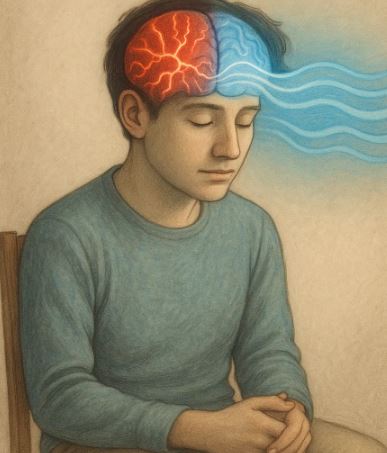
Cortisol is your body’s primary stress hormone. It is produced by the adrenal glands and follows a natural daily rhythm. Cortisol gives you the energy to wake up, stay alert, fight infections, regulate blood pressure, control inflammation, and maintain your daily metabolism.
But when cortisol is too high, too low, or peaks at the wrong time, everything collapses—sleep, digestion, migraines, hair health, mood, and immune balance.
2. Why Does Cortisol Exist & How Is It Produced?
Cortisol exists for survival. It helps you run, focus, think clearly, and react to any threat.
How It Is Produced (HPA Axis):
- Hypothalamus in the brain senses stress → releases CRH
- Pituitary gland receives signal → releases ACTH
- Adrenal glands (on top of kidneys) → produce cortisol
This chain is called the HPA Axis.
When the body is under chronic stress—emotional, physical, inflammation, infections, sleep deprivation—the HPA axis becomes overstimulated and cortisol stays high at night.
That is why many people feel fresh & energetic at 12am–4am.
It is not energy — it is adrenal overdrive.
3. Cortisol Levels Throughout the Day (Table)
| Time of Day | Cortisol Level | Why It Happens |
|---|---|---|
| 4am – 6am | Rising | Body prepares to wake up |
| 7am – 8am | Peak (Highest) | Energy spike, blood sugar rises |
| 9am – 12pm | Slowly declining | Focus, productivity zone |
| 1pm – 4pm | Medium–low | Natural afternoon dip |
| 5pm – 9pm | Low | Body prepares for rest |
| 10pm – 3am | Lowest | Deep healing, detox, anti-inflammatory repair |
If cortisol stays high at night, one can wake up feeling numb, itchy, cold-sensitive, or even get migraines.
4. How Cortisol Is Related to Major Diseases
Cortisol quietly influences almost every major system in the body, which is why chronically elevated levels are linked to so many diseases.
When cortisol remains high for long periods, blood vessels stay constricted, causing hypertension and long-term pressure on the cardiovascular system. The same hormone also intensifies inflammatory pathways, which is why many people with cortisol imbalance experience migraines, cold allergies, and sensitivity to light or disturbed sleep.
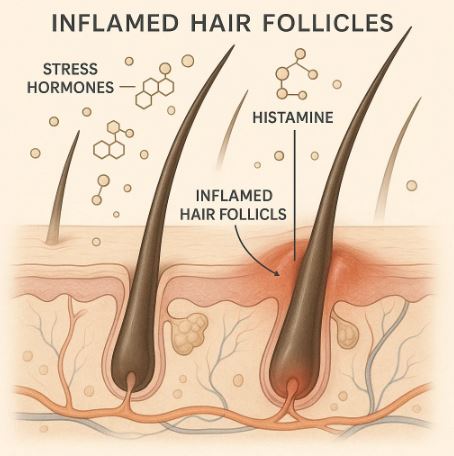
Hormonal imbalance is another major consequence. High cortisol can increase insulin resistance and trigger a hormonal cascade that raises DHT activity, ultimately leading to hair thinning, PCOS-like symptoms, and worsening PMS or cycle irregularities.
Your digestive system is equally affected. Cortisol slows gastric emptying, weakens gut motility, and increases inflammation, creating the perfect environment for acidity, food intolerance, and histamine sensitivity. Over time, the immune system gets confused—sometimes suppressed, sometimes hyperactive—resulting in a higher risk of autoimmune disorders.
All of this accelerates ageing inside the body. Increased inflammation and oxidative stress damage cells at a deeper level, leading to early ageing of the skin, brain, and metabolism.
5. How Cortisol Makes You Age Faster
Ageing is not just about wrinkles—it is a biological process influenced by chronic stress chemistry.
Elevated cortisol breaks down collagen, which shows up as fine lines, thinning hair, and reduced skin elasticity. It also reduces blood flow to the skin, making it appear dull and less nourished.
Inside the gut, high cortisol disturbs nutrient absorption, causing deficiencies that make the body age from within. Over years, it can even affect brain structure, contributing to memory decline. Cellular ageing speeds up because cortisol increases oxidative stress—your cells literally “rust” faster.
A few key effects include:
- Collagen breakdown → fine lines, hair thinning
- Reduced skin blood flow → loss of glow
- Poor gut health → nutrient deficiency
- Long-term brain changes → memory issues
- Higher oxidative stress → faster cellular ageing
Together, these mechanisms make cortisol one of the strongest accelerators of premature ageing.
6. How Cortisol Can Be Controlled Naturally
Managing cortisol requires consistency rather than intensity.
Simple lifestyle changes—done every day—create the strongest hormonal balance.
Morning sunlight helps reset the circadian rhythm, while sleeping before 11 pm keeps night cortisol low. A digital detox after 9:30 pm prevents mental stimulation that pushes the brain into alert mode. Even slow breathing and pranayama, calm down the HPA axis and reduce stress hormones.
Eating regularly is another pillar of cortisol control. Skipping meals causes blood sugar to crash, forcing the body to release more cortisol. Warm food after 10 am aligns beautifully with your natural rhythm, because your digestive fire usually cools down after that time.
Helpful Nutrients:
- Magnesium glycinate
- Omega-3
- Vitamin C
- Ashwagandha or tulsi
- L-theanine (from green tea)
Habits to Avoid:
- Late-night stimulation
- Caffeine after afternoon
- Sudden long fasting
- Heavy workouts in the evening
These practices don’t just reduce cortisol—they restore your nervous system.
7. Which Diets Affect Cortisol Levels?
Food directly influences cortisol, especially when your body is sensitive to histamines and digestion timing. Some foods trigger cortisol spikes because they increase inflammation, histamine, or blood sugar fluctuations. Fermented foods, for example, are high in histamine and immediately trigger migraines in few people. Coffee on an empty stomach, cold food after 10 am, or very spicy meals can put pressure on your gut and force cortisol to rise. Processed sugar, stress-eaten dairy, and skipped meals make the hormonal imbalance even worse.
Foods That Increase Cortisol:
- Fermented foods
- Coffee on an empty stomach
- Cold foods after 10 am
- Very spicy foods
- Processed sugar
- Excess dairy during stress
- Skipping meals
On the other hand, some foods help bring cortisol down by stabilizing blood sugar, calming inflammation, and supporting digestion. Warm, freshly cooked meals are especially important for people whose cortisol drops in the afternoon. Complex carbs like rice or sweet potatoes balance hormones and keep energy stable. Blueberries and grapes have BDNF-boosting compounds that support brain health while reducing cortisol impact.
Foods That Reduce Cortisol:
- Warm, freshly cooked meals
- Complex carbs (rice, sweet potato)
- Bananas
- Herbal teas
- Small amounts of dark chocolate
- Blueberries & grapes
- Protein-rich meals
8. Cortisol & Histamine Connection
Cortisol and histamine have a complicated relationship that directly can explain unique triggers—cold food timing, migraines, acidity, allergies, etc. When cortisol stays high, it prevents histamine from breaking down properly. This keeps histamine circulating longer in the body. Meanwhile, mast cells (which release histamine) become more reactive in a high-stress state.
This is why something as simple as hunger, cold weather, or fermented food can push your system into a histamine spike. Once histamine rises, it inflames nerves—especially around the head—leading to migraines, sneezing, itchy toes, BP fluctuations, and cold sensitivity.
When cortisol is high:
- Histamine breakdown slows
- Mast cells become hyperactive
- Cold food or hunger → instant histamine spike
- Histamine irritates nerves → migraines, allergies, itching
(If you want to read about “Histamine” in detail, kindly click here)
Conclusion
Cortisol is often misunderstood as just a “stress hormone,” but it is far more influential. It shapes how you sleep, digest food, react to cold, handle inflammation, process emotions, and even how fast you age.
When its rhythm is disturbed, the entire body falls out of sync. The good news is that cortisol is highly responsive to simple, consistent lifestyle habits—warm meals, regular eating times, morning sunlight, better sleep hygiene, and calming practices like pranayama.
By understanding your body’s unique cortisol pattern, you gain the ability to rebuild balance, reduce migraines, improve skin and hair health, and reclaim the steady energy your body was always designed to have.