How Oral Bacteria Slowly Destroy the Body: From Stroke to Cancer, What Science Now Knows
For decades, gum disease was treated like a “small dental issue.” Something you fix when your gums bleed or your breath smells bad.
Today, science says something radically different:
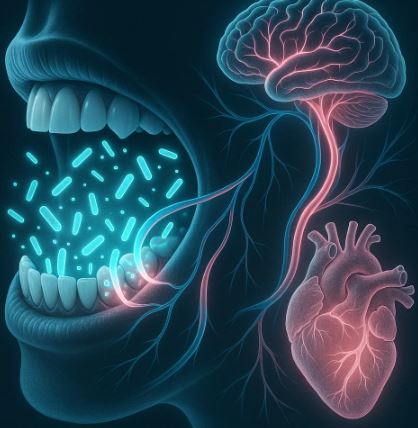
Oral bacteria can influence stroke, heart attacks, cancer, diabetes, and even the success of major surgeries.
So Why Suddenly We Know So Much About Oral Bacteria
Medical science did not randomly wake up and blame gums.
We only discovered the truth because of new tools:
1. Advances in DNA sequencing (16S rRNA sequencing, metagenomics)
1.Researchers can now identify bacteria through their genetic fingerprints, even if they are hidden deep in gum pockets or tumor tissue.
2. We no longer need to grow bacteria in a lab:
-Earlier, if bacteria didn’t grow on a plate, they were invisible to science.
-Now, sequencing reveals everything, even rare anaerobes.
3. The new understanding:
-chronic inflammation is the root cause of modern diseases and gum disease is one of the strongest and most persistent inflammation sources in the human body.
This triggered a wave of powerful studies — the kinds that change global medical guidelines.Let’s go step-by-step through what we know today.
Oral Bacteria & Stroke: The New 21-Year Study
A recent 21-year study showed:
- People with healthy gums → ~4% chance of ischemic stroke
- People with gum disease → ~6.9%
- Gum disease + cavities → ~10% stroke risk
Why?-Because bacteria from the gums can:
- Enter the bloodstream
- Damage blood vessels
- Trigger clot formation
- Increase inflammation in arteries
Result: higher chance of stroke, especially ischemic stroke (clot-based).This is one of the strongest associations ever documented between oral health and brain health.
source:
https://www.sciencealert.com/21-year-study-links-gum-disease-and-cavities-to-higher-stroke-risk
2. Oral Bacteria & Heart Attack / Heart Surgery Failure
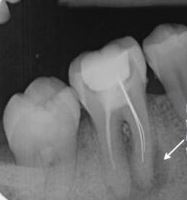
“Image shows the failed root canal, with infection still remaning at the base“
How gum bacteria influence the heart:
- Bacteria like P. gingivalis have been found inside heart arteries, inside plaques.
- They weaken plaque walls → making them rupture → forming a clot → heart attack.
- They increase inflammation (CRP, IL-6), which damages arteries.
Why root-canal infections are dangerous in heart patients
Residual bacteria trapped under crowns/root canals can enter blood:
- During chewing
- During brushing
- During surgery
- During dental cleaning
For heart valve patients, this can trigger infective endocarditis, which is often fatal.This is why cardiologists warn patients about dental hygiene before heart surgery.For heart valve patients, this can trigger infective endocarditis, which is often fatal.This is why cardiologists warn patients about dental hygiene before heart surgery.
3. Tumor Growth & Carcinoma: The Shocking Microbiome Link
One of the biggest discoveries in cancer research:Tumors have their own bacteria.
And guess what?
Many of these bacteria originate from the mouth.
These bacteria love environments that are -oxygen-poor,full of plaque,high in sugar,inflamed and poorly cleaned.
It helps the tumor by-Suppressing immune cells,increasing inflammation,helping cancer cells multiply,protecting the tumor from being destroyed
This is why infection + chronic inflammation can lead to cancer development.The worst offender?
1.Fusobacterium nucleatum–
This bacteria has been found:
-Inside colorectal tumors
-Inside sinus carcinomas
-Inside head/neck cancers
-In some oral and throat cancers
-In breast and stomach tumors (in early studies)
2.Porphyromonas gingivalis-
-The #1 bacteria linked to gum disease,
-Found in heart arteries
-Found in Alzheimer’s brains
-Can alter immune system pathways
-Supports tumor growth
3.Streptococcus mutans
-Causes cavities
-Can enter bloodstream → infect heart valves
-Particularly dangerous in people with heart problems
4. Oral Bacteria & Pancreatic Cancer

Pancreatic cancer is one of the deadliest cancers — and several major studies found:
- High levels of antibodies against gum bacteria = higher pancreatic cancer risk
- Periodontal disease → chronic inflammation → pancreatic tissue changes
- Oral bacteria may reach the pancreas through the bloodstream or digestive tract
While research is ongoing, the association is strong enough that many scientists consider gum disease a risk factor for pancreatic cancer.
5. Oral Bacteria & Diabetes
This is a vicious cycle:
Gum disease → diabetes
- Chronic gum inflammation makes insulin resistance worse.
- Certain bacteria increase inflammatory cytokines that raise blood sugar.
- People with severe gum disease have higher HbA1c levels.
Diabetes → gum disease
- High blood sugar feeds bacteria.
- Poor healing leads to deeper gum pockets.
- More gum pockets → more bacteria → more inflammation.
Both conditions worsen each other.
6. Lack of Sleep & Bad Breath
Lack of sleep leads to:
- Dry mouth → fewer antibacterial enzymes
- Higher cortisol → more inflammation
- Reduced saliva → bacteria overgrow
- Acidic mouth → gum pathogens thrive
That’s why people who slept 3–4 hours smell like they have gum disease next morning.
This doesn’t create disease overnight — but it encourages bacterial imbalance.
7. Symptoms You Should NEVER Ignore
- bleeding gums
- bad breath
- gum recession
- loose teeth
- pus near gums
- bitter taste in mouth
- persistent mouth dryness
- sudden bad breath after lack of sleep
- pain while chewing
- swollen or red gums
These are not small signs.
They’re warnings that bacteria are already multiplying.
8. Oral Hygiene: Friendly, Simple & Effective
1. Brush twice a day — properly-Not fast, not lazily, not skipping night brushing.
2. Floss or use water flosser-80% of bacteria hide between teeth — brushing doesn’t reach.
3. Use a tongue scraper-Major source of bad breath and bacterial accumulation.
4. Use an alcohol-free antibacterial mouthwash-Chlorhexidine (short-term), essential oils (long-term).
5. Reduce sugar & acidic drinks-They feed Streptococcus mutans.
6. Stay hydrated-Dry mouth = bacterial paradise.
7. Regular dental cleaning– Even if your teeth look fine — gum pockets aren’t visible.
8. Fix dental issues early-Small cavity → big systemic risk later.